index
1. Introduction
2. Industrial machinery and equipment most widely exported by Brazil
2.1. Infrastructure and basic industrial machinery
2.2. Agricultural machinery
2.3. Machine tools
2.4. Mining equipment
2.5. Machinery used in the food industry
2.6. Equipment used in the textile and plastics industry
Did you know that Brazil, in addition to being a commodity powerhouse, also exports industrial technology to different corners of the world?
That’s right. Brazil’s industrial machinery and equipment sector stretches far beyond the country’s borders. Its exports are helping drive development in other countries using 100% Brazilian made technology.
This change in profile, albeit discreet, is proof that Brazil has established itself as a global supplier of industrial solutions.
According to data from the Brazilian Machinery and Equipment Manufacturers’ Association (Abimaq), between January and September 2025, Brazilian exports in the machinery and equipment sector totaled US$ 9.635 billion, an increase of 0.2% compared to the same period in 2024.
Even with the challenges associated with the tariffs imposed by the United States, the sector has found new ways to maintain export growth, especially in Europe and South America.
Interested in learning more about how Brazil has been able to establish itself as a global force in the export of machinery and equipment? Keep reading below to discover more about the main market segments in which Brazil is a success overseas.
Industrial machinery and equipment most widely exported by Brazil
Despite the barriers built up by the so-called “American trade war” , Brazil’s industrial sector has continued to to produce, innovate and export products.
You might be wondering what some of Brazil’s main machinery and equipment exports are.
Infrastructure and basic industrial machinery
In challenging times, exporting machinery used in infrastructure and basic industrial processes as part of major international projects has proven to be a valuable opportunity.
Brazil has set itself apart internationally through the following exports:
- civil construction equipment,
- metal processing machinery.
With demand from countries that are investing heavily in infrastructure peaking, Brazilian producers are offering efficient, robust and competitive solutions that are becoming increasingly popular on the world’s stage.
Agricultural equipment
You might be wondering how Brazil’s agribusiness know-how can offer the country a competitive advantage internationally.
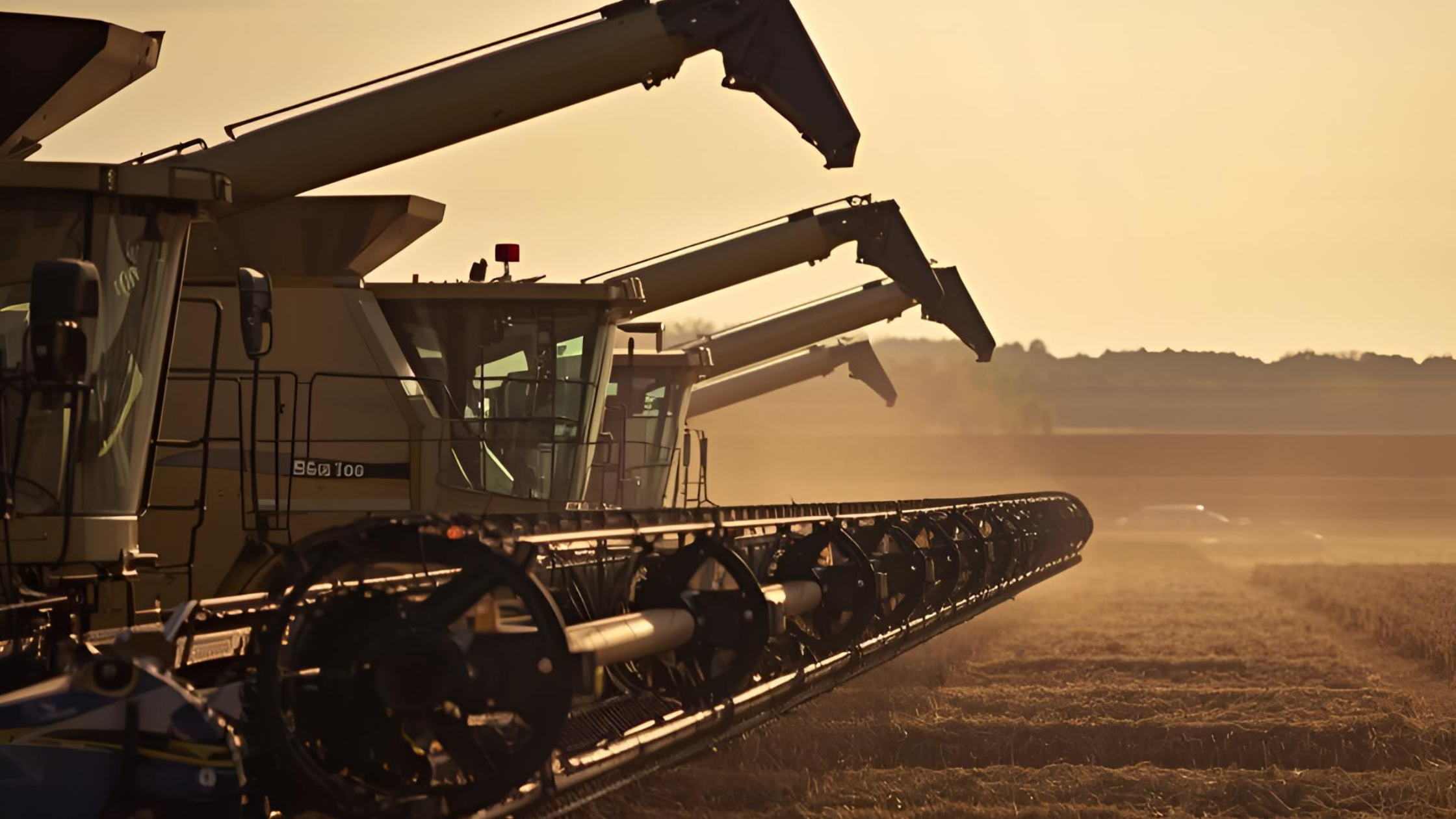
A good example of this key advantage is Brazil’s agricultural equipment. The country successfully exports the following equipment:
- tractors,
- combine harvesters,
- sprayers,
- soil preparation equipment.
These solutions have proven to be highly valuable overseas, especially in regions where agribusiness is booming. And what exactly does this mean for Brazil? More opportunities for the country’s domestic producers to expand overseas.
Machine tools
Another sector on the rise in terms of exports is machine tools, which require a high level of precision, technology and an unbeatable performance.
The main products shipped overseas by Brazil include:
- lathes,
- milling machines,
- CNC systems,
- precision machining equipment.
Would you have imagined that one day Brazil could be an industry reference for this type of technology ?
More and more companies from different parts of the world rely on Brazil’s technological solutions to help increase productivity.
Mining equipment
With extensive experience and a strong tradition in mining, Brazil also exports key sector equipment, such as:
- crushers,
- sieves,
- conveyors.
These machines are considered essential in countries associated with mineral production. Thanks to our country’s unique know-how, Brazil has established itself as a strategic partner for high-strength and durable solutions for the mining sector.
Machinery used in the food industry
How can food producers guarantee agile, hygienic and efficient food processing?
The answer lies in the industrial machinery developed in Brazil, which are now used on production lines at food producers around the world.
Such equipment includes the following systems:
- processing,
- packaging,
- refrigeration.
The use of this equipment is further proof that Brazil’s technological solutions are able to meet the highest level international standards and generate value for overseas partners.
Equipment used in the textile and plastics industry
Finally, but certainly no less important, Brazil also exports machinery used in the textile and plastics industry.
Brazil exports the following products:
- extruders,
- looms,
- molders.
These solutions demonstrate that Brazil is also able to provide cutting-edge technology across highly competitive market segments. It should certainly come as no surprise that Brazil is an industry reference in this niche market.
Just like we look outside Brazil for innovation, we are also leaders in providing industrial solutions to the world.
Would you like to learn more about Brazil’s exports within this sector? Make sure to check out our article on how the maritime import of agricultural machinery is now more accessible than ever, a discussion that offers practical and current data.
Sources:
https://abimaq.org.br (https://abimaq.org.br) https://comexstat.mdic.gov.br/pt/home (https://comexstat.mdic.gov.br/pt/home)
https://www.gov.br/mdic/pt-br/assuntos/comercio-exterior/estatisticas (https://www.gov.br/mdic/pt-br/assuntos/comercio-exterior/estatisticas)
FAQ – Brazil’s industrial machinery and equipment exports
1. What are the main countries that import industrial machinery and equipment from Brazil?
Brazilian exports have gained particular momentum in Europe and South America, regions that have been recently expanding investments in infrastructure and industrial technology
2. How much were Brazil’s machinery and equipment exports worth in 2025?
According to Abimaq, between January and September of 2025, Brazil exported a total of US$ 9.635 billion in industrial machinery and equipment, registering growth of 0.2% compared to the same period in 2024.
3. How have the tariffs imposed by the United States impacted the industry?
The so-called US “trade war” has reduced part of the sales made on the US market. However, Brazil has offset these losses by diversifying export destinations and strengthening partnerships with countries in Europe and South America.
4. Which market segments can be highlighted in terms of Brazil’s exports?
The main market segments in which Brazil exports products include:
Infrastructure and basic industrial machinery (construction sector and metalworks)
Agricultural equipment (tractors, combine harvesters, sprayers)
Machine tools (lathes, milling machines, CNC systems)
Mining equipment (crushers, sieves, conveyors)
Machinery used in the food industry (processing, packaging, refrigeration)
Equipment used in the textile and plastics industry (extruders, looms, molders)
5. Why is Brazilian agricultural equipment so highly valued overseas?
Brazil’s agribusiness know-how allows us to develop highly efficient and durable equipment that can be adapted to different production contexts. This in turn generates a great deal of interest in emerging agricultural markets.
6. Is Brazil competitive in terms of industrial technology?
Yes. The country has consistently established itself as a global supplier of advanced industrial solutions, bringing together innovation, quality and competitive pricing. Brazilian companies are recognized internationally for their use of cutting-edge technology in automation, precision and productive efficiency.
7. In which sectors is demand Brazilian equipment most seen overseas?
The sectors that purchase the most Brazilian technology are infrastructure, mining, agribusiness, food production and manufacturing.Countries that are looking for high-strength and sustainable equipment that is easy to maintain have shown a particular interest in Brazil’s exports.
8. What role does Abimaq play in strengthening Brazil’s exports?
The Brazilian Machinery and Equipment Manufacturers’ Association (Abimaq) is the
sector’s main supporting and representative entity. Abimaq implements initiatives aimed at innovation, training, internationalization and ensuring that Brazil’s industry remains competitive internationally.