contents
1. Introduction
2. Air export of cosmetics: potential in Brazil
3. The Increase in the export of Brazilian cosmetics
4. How to structurer the export of cosmetics by air
6. FAQs – Air export of cosmetics
The air export of cosmetics is experiencing increased growth in Brazil. International recognition of the quality, innovation and diversity of domestic products has expanded the presence of Brazilian brands across increasingly demanding markets.
The numbers demonstrate the extent of this growth.
In 2025, the Personal Hygiene, Perfumery and Cosmetics sector surpassed the US$ 1 billion mark in exports for the first time, according to data from Abihpec.
But what is driving this growth?
In addition to the strength of Brazil’s biodiversity and investments made in innovation, there is an important factor at work: the ability of national brands to meet the needs of different consumer profiles around the world.
Given the current context, air transport has emerged as a strategic alternative for operations that require agility, traceability and greater logistical control.
Exporting cosmetics, however, involves much more than choosing the mode of transport used.
Regulatory issues, the classification of cargo, packaging and document controls are part of operations that must function accurately to avoid risks and delays.
An important question therefore arises: are your operations prepared to meet requirements for international air export?
Air export of cosmetics: potential in Brazil
The air export of cosmetics in international trade is currently experiencing one of the most relevant moments in Brazilian industry.
According to Abihpec:
- the sector reached a total of US$ 1,061 billion in exports in 2025,
- growth of 20.1% compared to the previous year,
- Brazilian products have been exported to nearly 200 countries,
- Latin America accounted for approximately 80% of exports.
These advances show how Brazilian cosmetics are expanding into strategic markets.
In addition to Latin America, regions such as the United States, Canada and West Asia also offer important opportunities for expansion, especially for:
- hair products,
- fragrances,
- skincare products,
- higher value-added items.
In Canada (, for example, sales increased from US$ 2.1 million in 2023 to US$ 4.7 million in 2025.
Another factor that may further increase Brazil’s competitiveness is the Mercosur-European Union agreement.
It is expected that tariff reductions will strengthen the presence of domestic products in the European market over time.
Additionally, international events also help drive new business. In 2026, the participation of Brazilian companies at Paris’s in-cosmetics Global, generated projections in excess of US$1 5.6 million n new business over the course of the following months.
In practice, this means that opportunities exist but require more structured international operations.
The increase in exports of Brazilian cosmetics
The growth of Brazilian exports of cosmetics is directly linked to domestic industry’s positioning in the international market.
Today, Brazilian products are recognized for characteristics such as:
- innovation,
- diversity,
- development of formulas that are adapted to different consumer profiles.
And this is not a coincidence.
Brazilian biodiversity offers natural assets that have a strong sensory, technological and sustainable appeal–characteristics that are valued globally.
Additionally, the diversity of the Brazilian market drives the development of more complete solutions for different types of skin and hair, as well as climate and consumption habits.
Another relevant aspect involves regulatory agreements in Latin America.
According to MDIC, negotiations with Aladi countries seek to simplify technical requirements and expand the predictability of cosmetics across ten Latin American markets.
But having a good product enough to compete internationally? In practice, the answer is no.
Efficient international logistics is also part of an expansion strategy.
Operational predictability, transport safety and regulatory alignment help Brazilian brands gain consistency in international trade.
How can we structure the air export of cosmetics?
Structuring an air transport operation for cosmetics means paying specific attention, from the classification of cargo to the correct packaging of products.
This is a fundamental point to consider: not every cosmetic product receives the same approach to logistics.
Perfumes, sprays, aerosols and alcohol-based products may require specific classification due to air transport rules for flammable liquids, gases and markets considered hazardous.
As a result, the first step involves developing an in-depth understanding of a cargo’s characteristics.
Factors such as those described below are then considered:
- regulation in the country of destination,
- labeling,
- invoices,
- packing list,
- tax classification,
- requirements for international air transport.
Failures in these stages can lead to delays, seizures and increased costs.
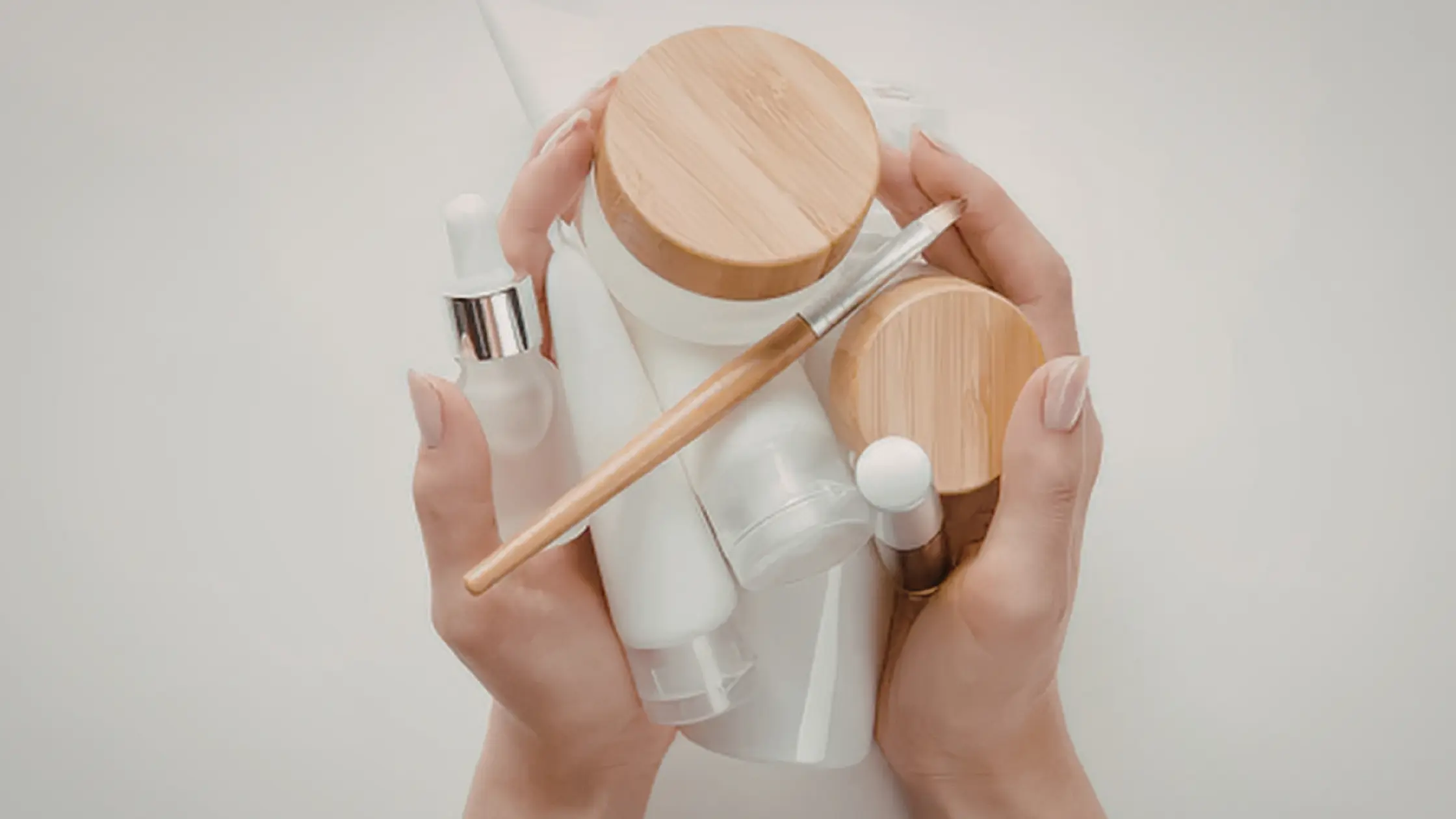
Another important consideration involves packaging. Vials and packaging need to be protected against:
- leaks,
- variations in pressure,
- impacts,
- temperature fluctuations.
Additionally, sensitive products require stricter monitoring during storage, consolidation and transportation.
Within this context, relying on specialized partners helps reduce operational risks and increase the predictability of operations.
RENTALOG is an import and export freight forward that operates in air, maritime and land transport, in addition to operating at Brazil’s airports and international gateways.
For companies looking to expand their global presence, having a structured logistics system can turn operational requirements into a competitive advantage.
The air export of cosmetics requires integration between commercial strategy, regulatory compliance and logistical controls.
With proper planning, specialized partners and more predictable operations, Brazilian brands can increase their competitiveness and strengthen their international presence.
Are your operations prepared to expand in the international market with greater security and predictability?
Contact us to learn more about how to structure air exports of cosmetics with more logistical efficiency.
Sources:
- https://apexbrasil.com.br/content/apexbrasil/br/pt/conteudo/noticias/acordo-mercosul- uniao europeia-entra-em-vigor-e-deve-impulsionar.html (https://apexbrasil.com.br/content/apexbrasil/br/pt/conteudo/noticias/acordo-mercosul- uniao europeia-entra-em-vigor-e-deve-impulsionar.html)
- https://br.fashionnetwork.com/news/Empresas-brasileiras-projetam-mais-de-15-milhoes-de dolares-em-negocios-apos-feira-global-de-cosmeticos,1827004.html (https://br.fashionnetwork.com/news/Empresas-brasileiras-projetam-mais-de-15-milhoes-de dolares-em-negocios-apos-feira-global-de-cosmeticos,1827004.html)
- https://www.gov.br/mdic/pt-br/assuntos/noticias/2025/novembro/acordo-fortalece- exportacoes brasileiras-no-mercado-de-cosmeticos-da-america-latina (https://www.gov.br/mdic/pt br/assuntos/noticias/2025/novembro/acordo-fortalece- exportacoes-brasileiras-no-mercado-de cosmeticos-da-america-latina)
FAQs – Air export of cosmetics
1. Why is the air export of cosmetics growing in Brazil?
Growth is linked to the international recognition of the quality, innovation and diversity of Brazilian cosmetics. In 2025, the sector surpassed a total of US$ 1 billion in exports for the first time.
Latin America concentrates a large share of these exports, but markets such as the United States, Canada and the West Asia have become increasingly relevant for higher value-added products.
3. Which types of cosmetics have the greatest potential in the international market?
Hair and skincare products, fragrances, and items made using Brazil’s natural assets are among the market segments that present most significant international growth.
4. When is air transport the best option for the export of cosmetics?
Air transport is recommended for operations that require agility, traceability, logistical controls and greater predictability, especially in cases involving higher value-added or sensitive products.
5. Can cosmetics be considered dangerous cargo during air transport?
Yes. Perfumes, sprays, aerosols and alcohol-based products may fall under hazardous goods rules due to the presence of flammable liquids or gases.
6. What documents are required for the air export of cosmetics?
The main documents include:
- invoice
- packing list
- tax classification
- regulatory documentation for the country of destination
- labeling and composition information
7. What logistical concerns are essential to the international transport of cosmetics?
The main concerns involve:
- proper packaging
- leak protection
- temperature control
- resistance to air pressure
- monitoring during storage and transport
8. Can the Mercosur-European Union agreement benefit Brazilian exporters?
Yes. The expectation is that the gradual reduction of tariffs will increase the competitiveness of Brazilian cosmetics in the European market over the coming years.
9. What mistakes most commonly cause delays when exporting cosmetics?
Failures in documentation, incorrect classification of cargo, labeling issues and inadequate packaging are among the main factors that lead to seizures and extra costs.
10. How can we structure the more efficient air export of cosmetics?
- Efficient operations depend on:
- specialized partners
- logistics planning
- regulatory alignment
- correct classification of cargo